


Antwerpen - Rubens site
Realization


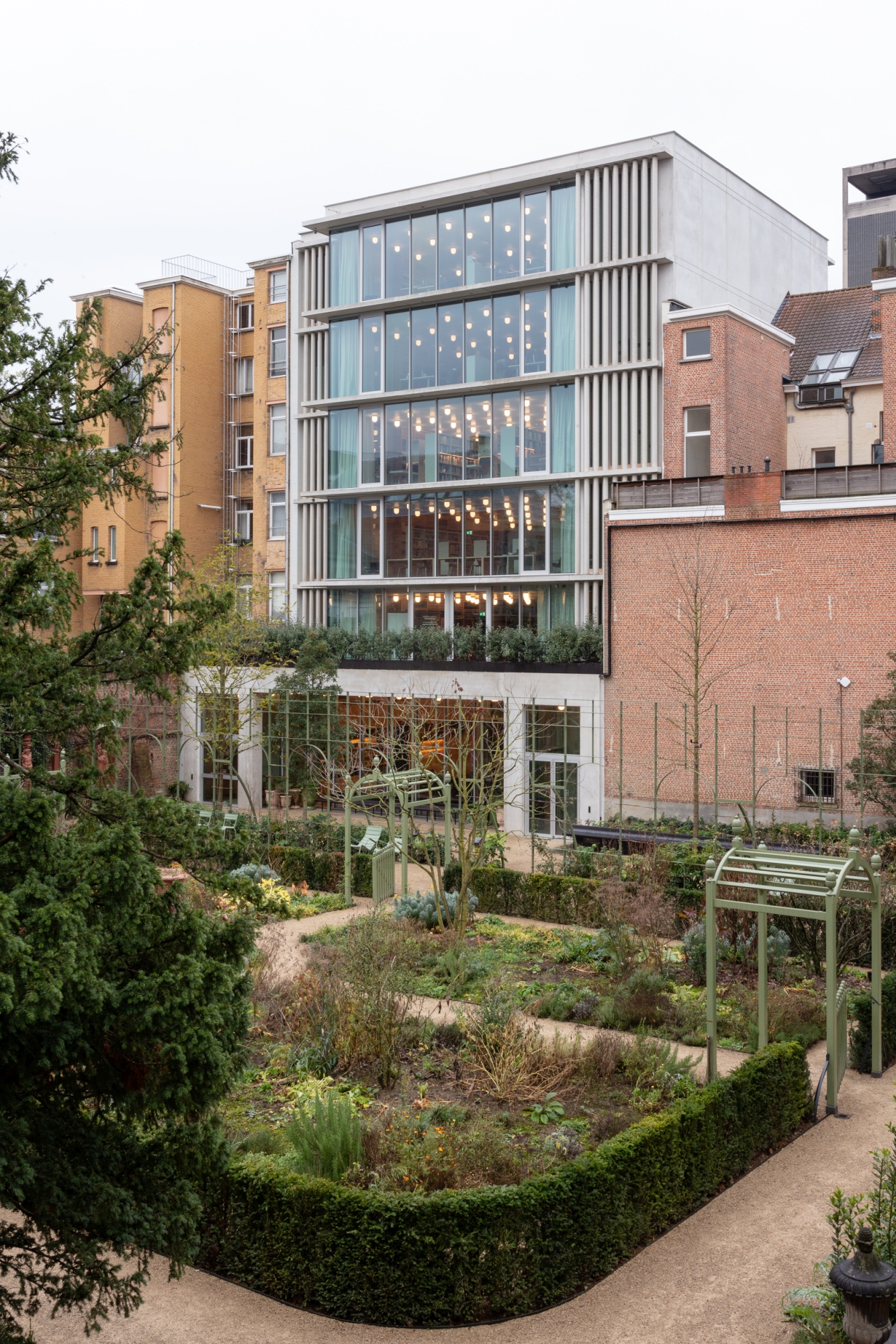

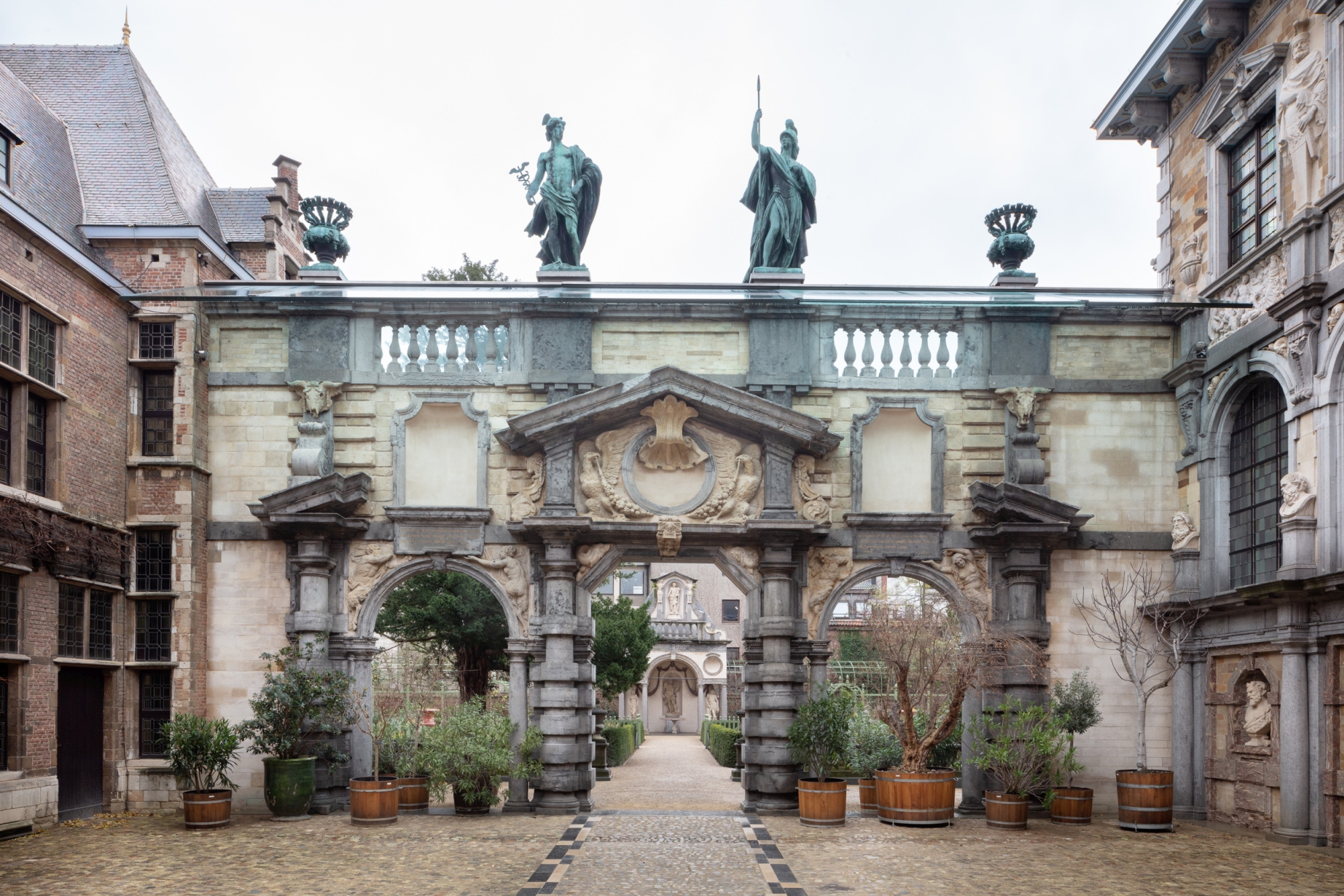


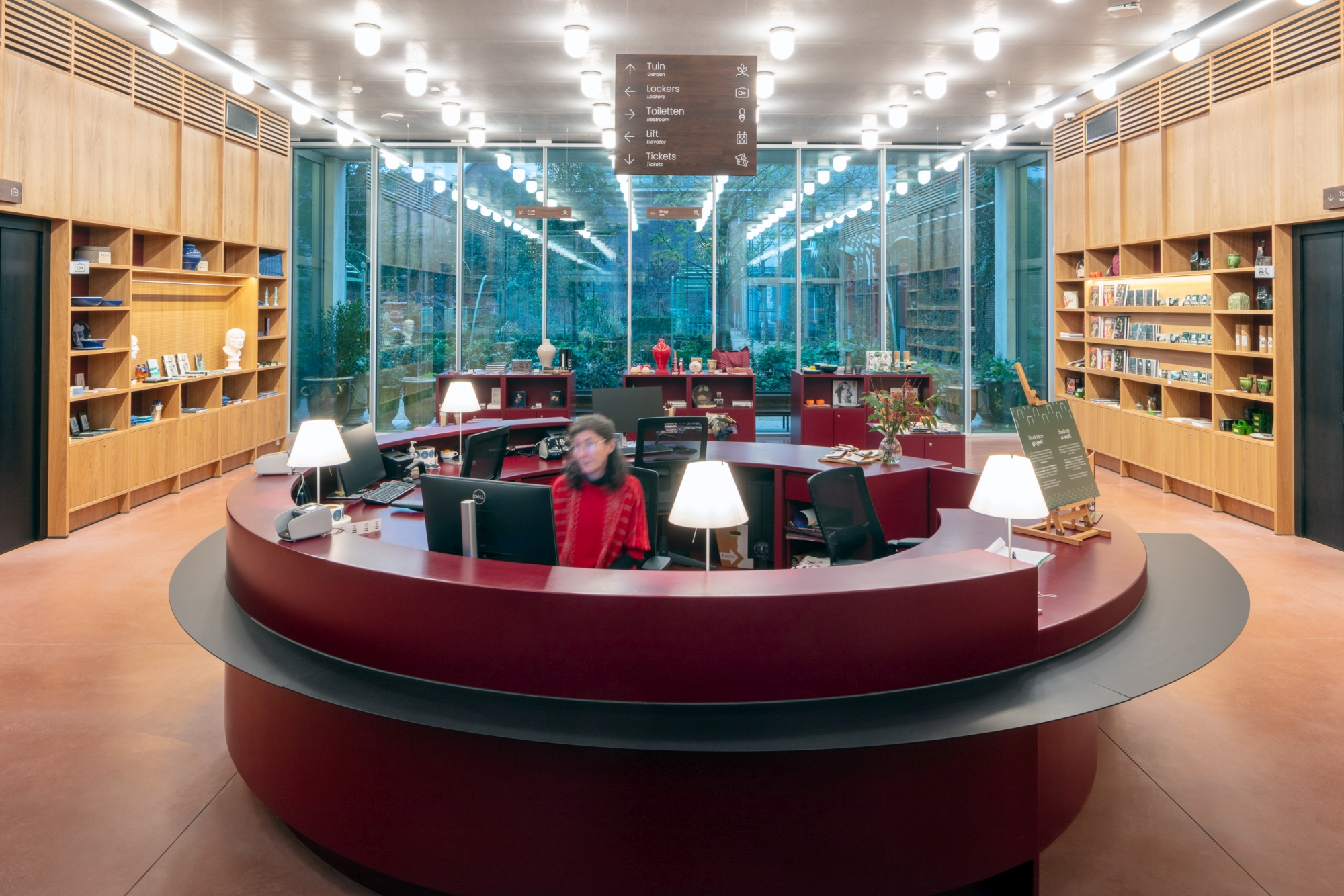


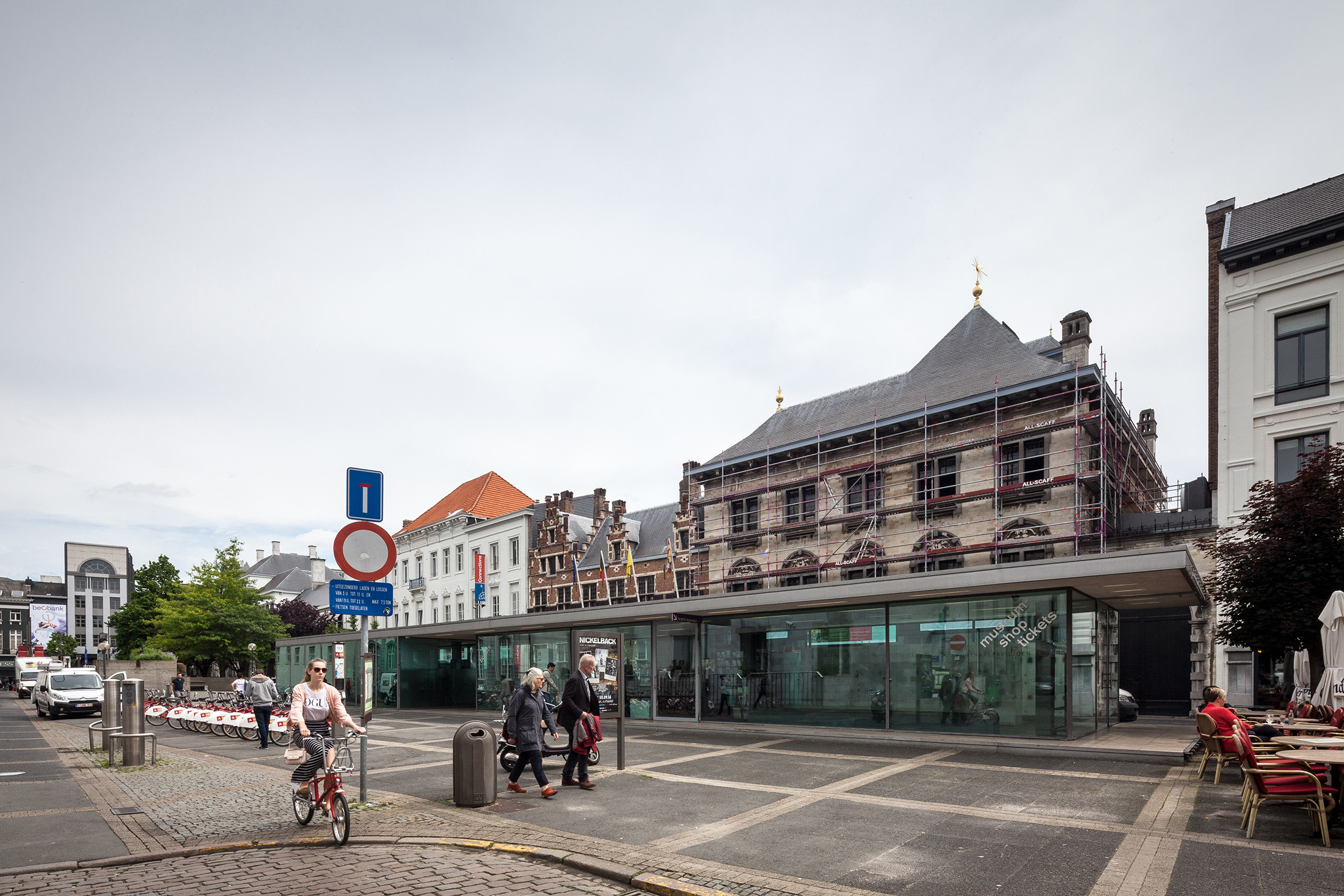
On August 30, 2024, the Rubens House in Antwerp reopened its doors after a thorough makeover. The development of a new reception concept was entrusted to Robbrecht and Daem architects through the Open Call. Their new reception building now provides access to Rubens Experience, the lushly redesigned baroque garden and the library. This completes the first major renovation of the Rubens House.
With their interventions, the designers aimed to enhance the heritage value of the Rubens House, striving above all to bring the artist’s personality back to the foreground. Rubens himself was not averse to a daring mix of architectural styles. His own house is a combination of a Renaissance residence with a Baroque studio and a garden with portico and pavilion. For the new entrance to the Rubens House at Hopland 13, Robbrecht and Daem architects resolutely opted for a contemporary look, in keeping with Rubens’ eclectic tastes. The modern volume stands somewhat sideways from the historic section. By placing the building outside the perspective lines, the view of the portico and garden from the artist’s residence is preserved.
The building frequently nods to Rubens’ vision and personality. For example, the column rows on the exterior refer to the muscular male musculature, the archetype of the strong body that was often central to his paintings. The many round shapes in the design create a surprising side effect: both day and night, light and dark play an intriguing game.
Inside, too, the architects remain subtly faithful to Rubens’ style. The three enormous diagonal spiral staircases bring movement and dynamism. They do not go up in a line, but work their way up diagonally. This attracts attention as soon as the visitor enters. A typical Rubens trick that literally and figuratively makes one look up.
The homely character of this unique place is expressed in the two monumental bookcases that face each other over six floors. Together with the master plan and the new routing, the new building thus embodies the interplay between art, business, science and worldly display that Rubens knew how to stage so masterfully.
Award

Robbrecht en Daem architecten
Download design proposal Reception building Rubenshuis lobby ©design by Robbrecht en Daem architecten, image by G2 architectural Graphics
 Reception building Rubenshuis facade Hopland ©design by Robbrecht en Daem architecten, image by G2 architectural Graphics
 Reception building Rubenshuis facade garden ©design by Robbrecht en Daem architecten, image by G2 architectural Graphics
 Maquette onthaalgebouw Rubenshuis, detail wenteltrappen en zijdelingse opname ©design by Robbrecht en Daem architecten, photo by Ans Brys
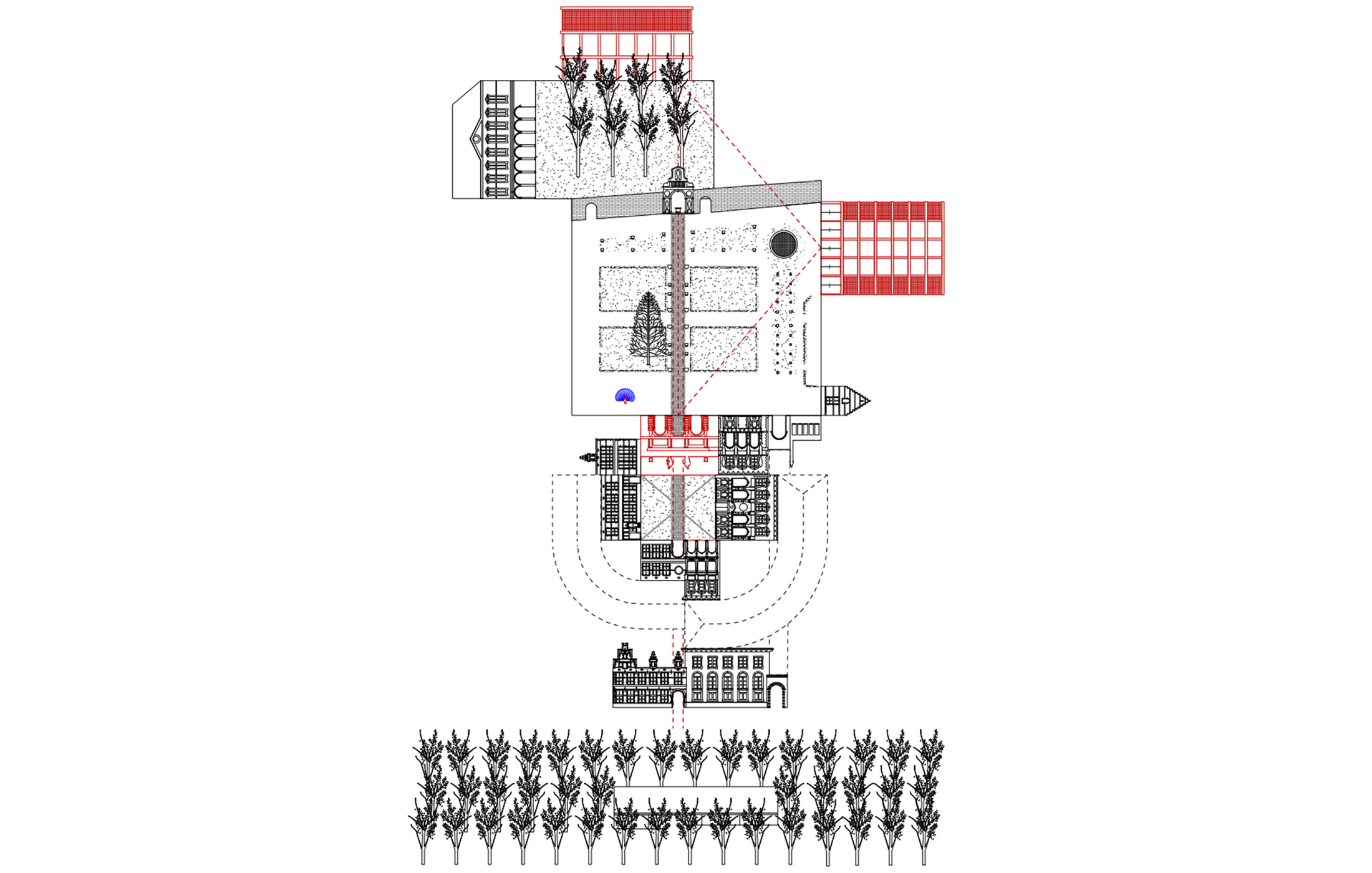 OO3201 Rubenssite Antwerpen - ontwerpvisie Robbrecht & Daem
 OO3201 Rubenssite Antwerpen - ontwerpvisie Robbrecht & Daem
 OO3201 Rubenssite Antwerpen - ontwerpvisie Robbrecht & Daem
 OO3201 Rubenssite Antwerpen - ontwerpvisie Robbrecht & Daem


The request to link the new visitor centre to a long-term vision for the entire site gave architects Robbrecht & Daem an interesting idea. In a new ‘galleria-building’ on Hopland, they envisage both the requested reception and visitor centre for the Rubens House and new accommodation for the Rubenianum. In this way, the dilapidated building of the Rubenianum study centre on Kolveniershof can make way for a smaller, much more restrained exhibition building in a subsequent phase. In doing so, the designers are revaluing the central axis from the entrance to the house and the corresponding perspective from there, through the monumental portico and the garden to the garden pavilion and the court of Rubens’ neighbours, the Kolveniersguild.
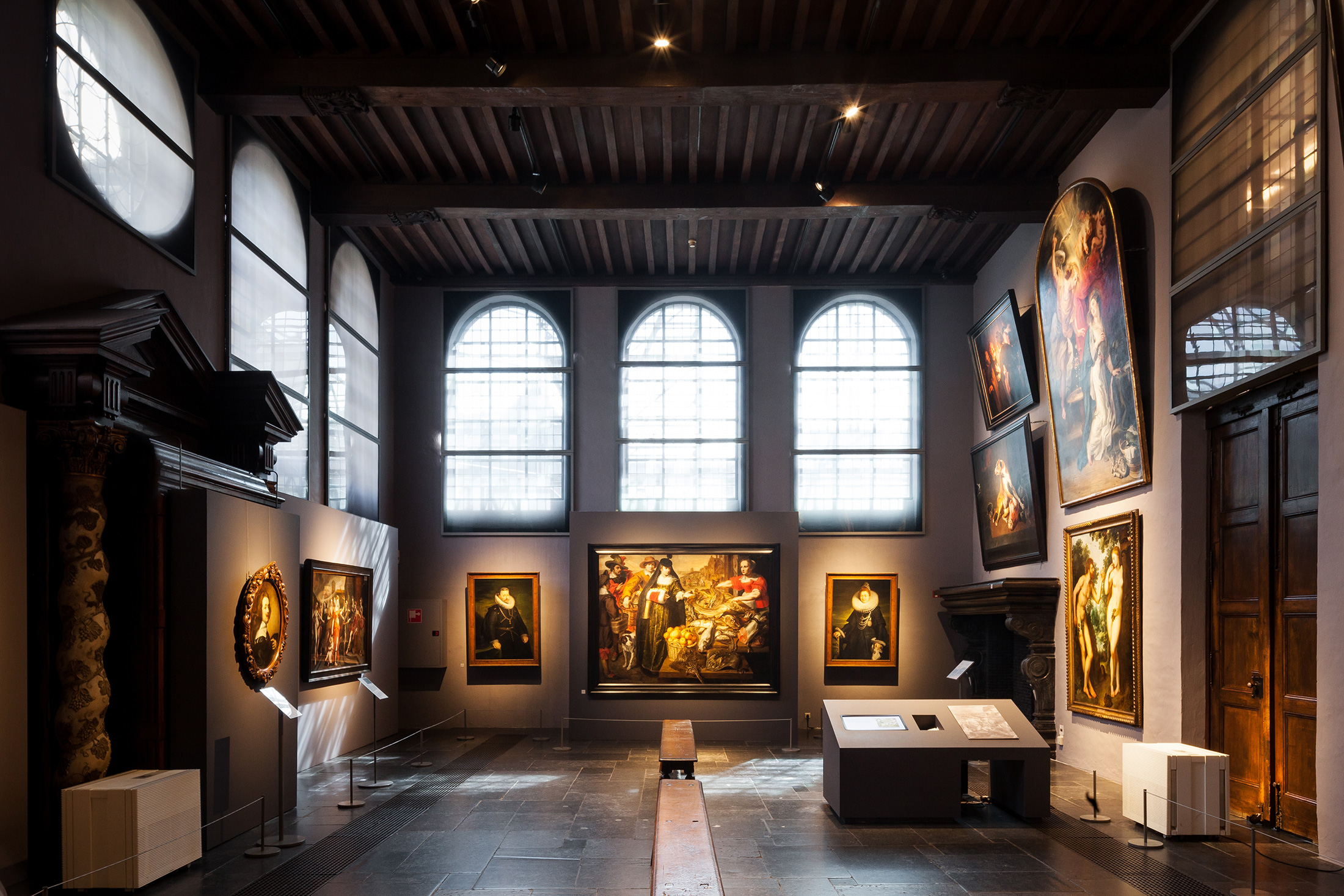
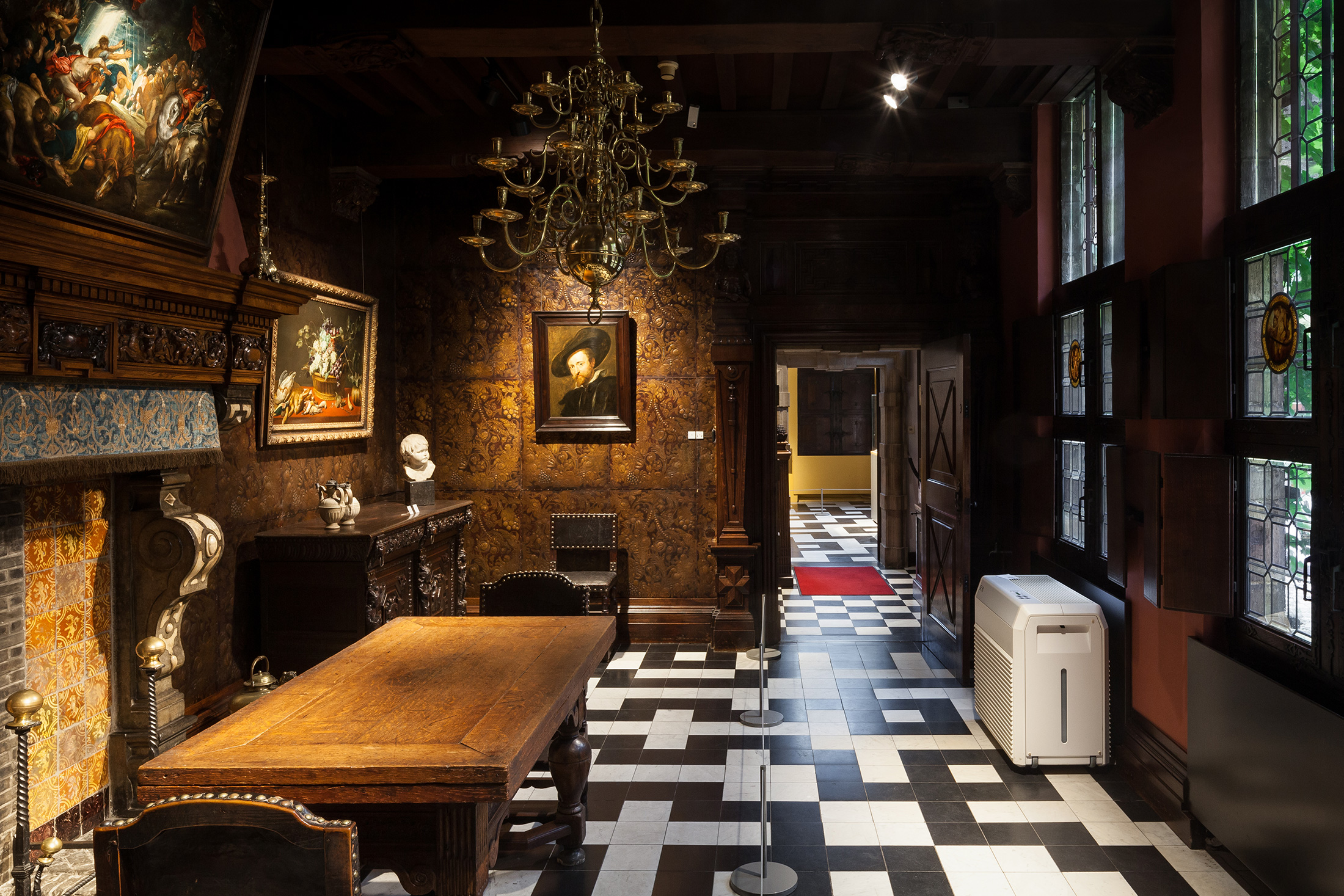
The jury appreciates the well thought-out routing as well as the vision of the historical museum buildings, in which considerations of presentation go hand in hand with conservation needs and distinct possibilities for air-conditioning the buildings: the house, the studio and in the future the exhibition building. The studio will be the place to see the paintings; in the living quarters in the Flemish wing, the living environment and significance of Rubens as a humanist will be discussed. The Rubens Garden is the central place connecting the historical buildings and the new ones.
The first ‘Galleria’ building fills the open space in the building block edge at Hopland and has a rational structure, which is soberly expressed in the façades. Each floor has two parallel service zones with a free space in between. With the visitors’ centre on the ground floor, the experience centre in the basement and a museum café on the first floor, there is still enough space for the Rubenianum on the five floors above.
The concept also means a revaluation of the historic Kolveniershof, where the demolition of the present Rubenianum will once again create a courtyard. After the construction of a second, smaller ‘Galleria-building’ on that site, the Kolveniershof can be revalued as a congress facility with space for exhibitions, whether or not independent of the Rubens site.
Selection

6a architects
Download design proposal
Architectenbureau K. van Velsen B.V.
Download design proposal
BECKERS NOYEZ ARCHITECTEN

Bovenbouw Architecten
Download design proposalProject description




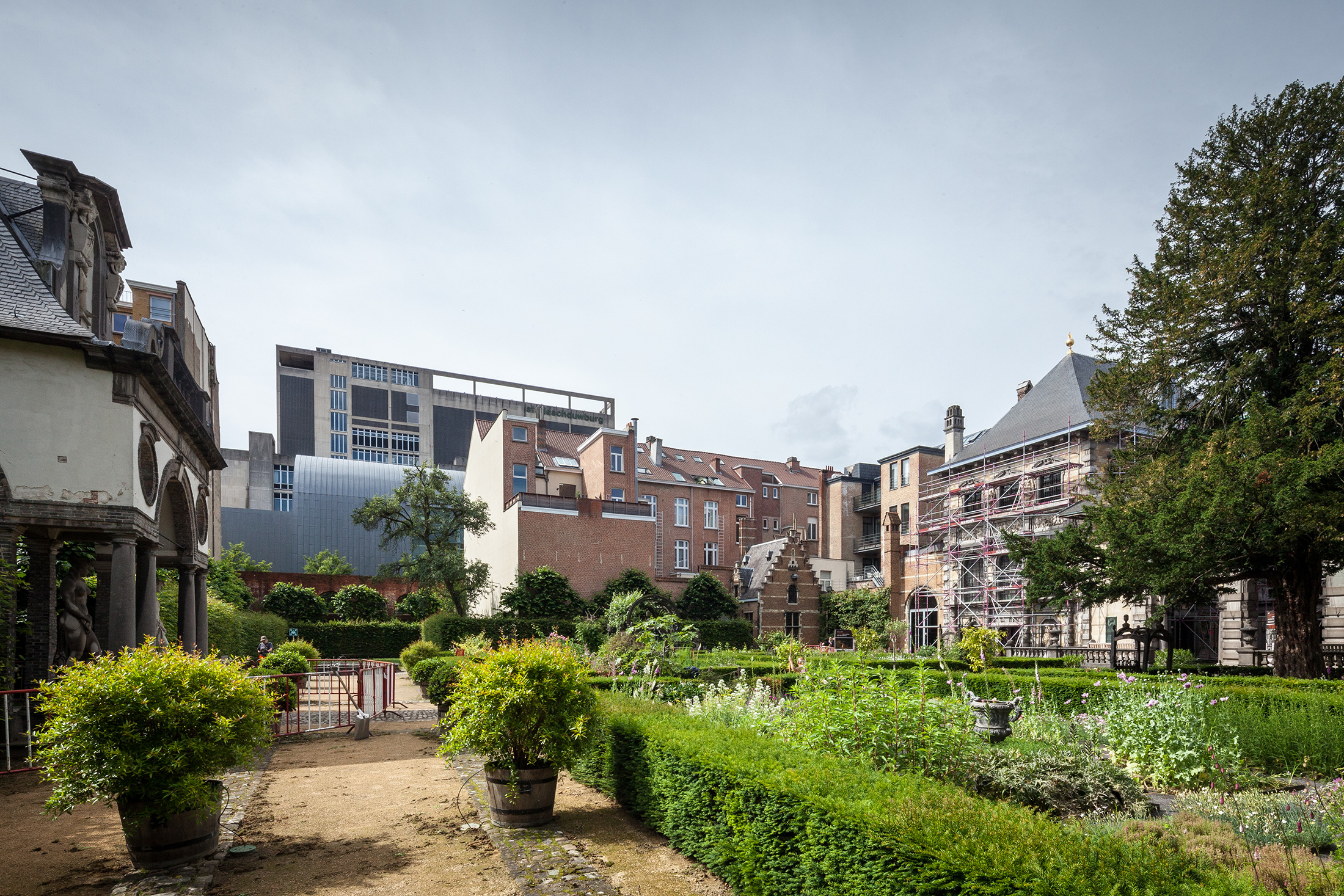
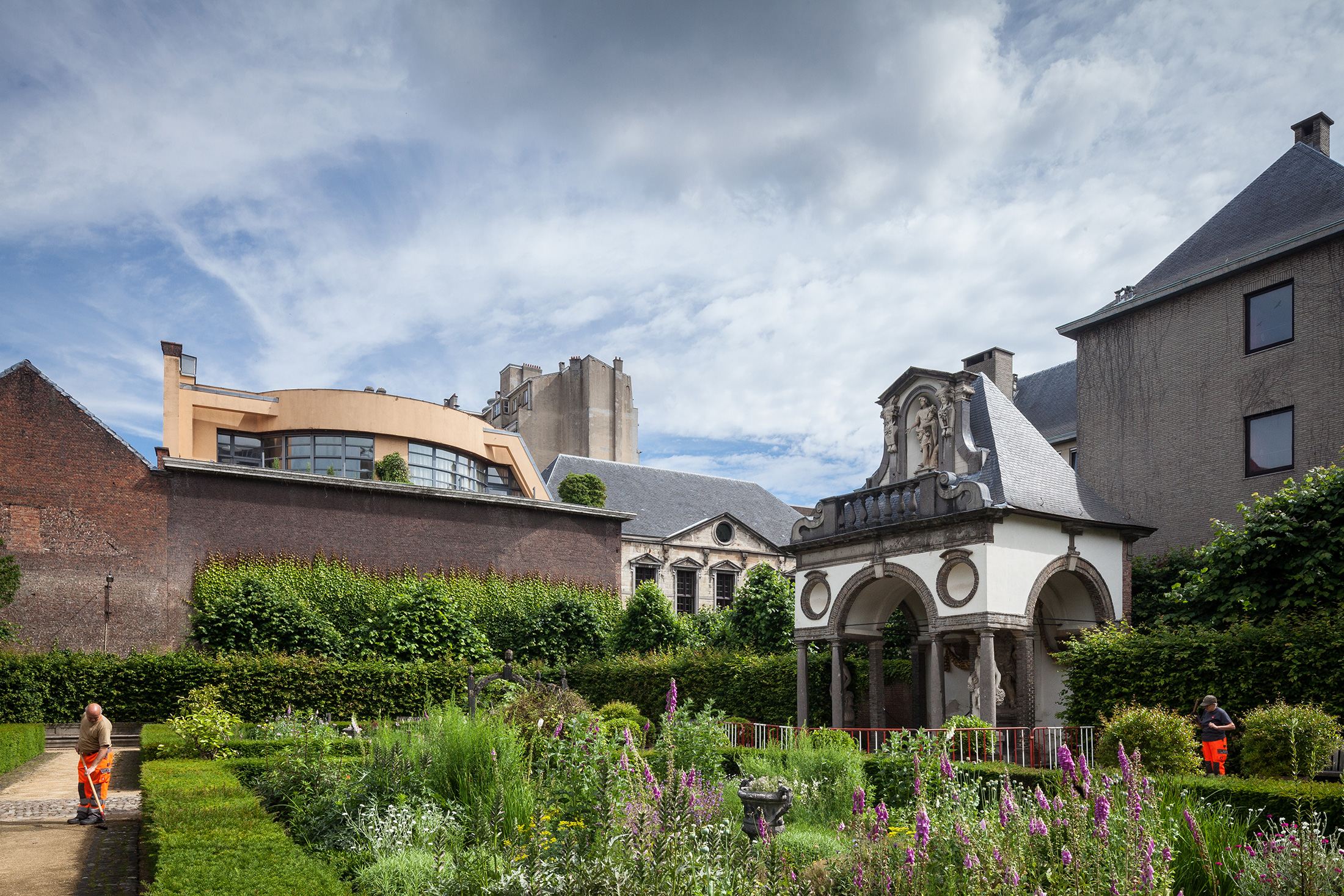


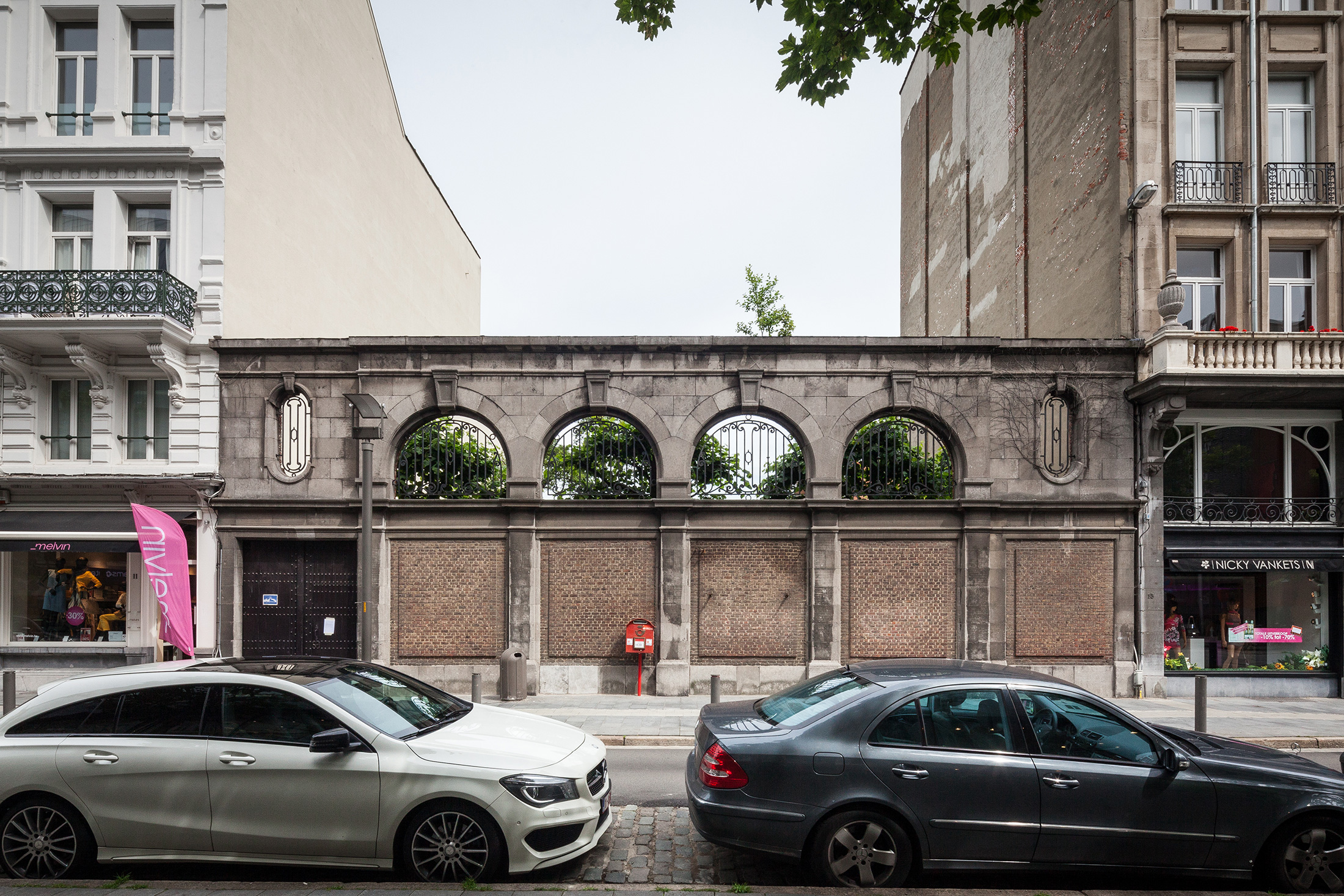


For its iconic Rubens site, with its high heritage value and international appeal, Antwerp City Council aspires the generation of an innovative concept for the reception, the tour experience and the operation of the site, with completion in stages, of which the innovative reception is the priority and already budgeted. The motive for the assignment are on the one hand such problems as the unappropriate functioning of the present separate ticket office and the fragmented access to the site, and on the other the need for an optimisation of visitor facilities and support functions.
As classified monuments, the Rubens house and palazzo with its portico and garden pavilion, the Kolveniersshof and the reconstructed seventeenth-century town garden cannot be touched. This historical site must be fully respected, but the places where the site touches the public domain are interesting locations for the different layers of the reception infrastructure: Wapper, Hopland and Kolveniersstraat.
On the basis of an overall strategic concept for the site, the purpose is to zoom in on a new visitors centre, in a broader and innovative sense of the term.
The visitors centre is the central hub where all the Rubens-related heritage congregates and from where all the Rubens- and baroque-related narratives in Antwerp can be explored. For a direct experience, visitors are sent on to the Rubens house, to acquire more knowledge they go to the Rubenianum, or, for further exploration, to the monumental churches with their art history treasures and to other relevant museums and heritage sites.
This visitors centre is open, transparent, easily accessible, inviting, seductive and original, and offers services that are experienced in an individual way and are contemporary, innovative and interactive. The visitors centre is the entrance for individual museum visitors and various types of group, more interested visitors and specialised researchers, suppliers and staff. Among other things it contains information and ticketing desks, cloakroom lockers, toilets, shop, reception area for groups and a meeting point, but also improved museum infrastructure such as a multimedia experience centre with stimulating displays and more in-depth information for visits to other heritage associated with Rubens and the Baroque.
Within the overall vision, space needs to be defined for educational and multipurpose rooms, a library with reading room, a small restoration workshop, transit storage space and archives,staff rooms, conference facilities, and space for receptions and corporate entertainment. This is combined with a landmark role in the historical city centre and thus forms the perfect reception and reference point for the story that Antwerp has to tell to a broad and international target audience.
The optimised flow of visitors through the buildings and gardens should form an experiential route, ensure increased appreciation and add value. Antwerp City Council aspires to develop a new notion of visitor facilities and to design facilities that offer a contemporary version of the concept of ‘reception’ and ‘experience’, including a scenographic inception for the experience centre, and that valorize at the same time the valuable architectural and art history heritage in a sustainable and high-quality way, including the re-laying of the historical garden.
The development potential is to be examined on the basis of the preconditions provided by the principal, these being the historical reseach of the site with its heritage value proposition, and the spatial context. In this regard, the principal expects from the designer a well-considered overall concept and a draft design that take account of the character of the site and the appeal of the whole ensemble with its new function. This project aims at involving the heritage of the Rubens site in a new dynamic that aspires to add spatial, tourism and architectural value to the city, and this in a sustainable and creative manner.
The concept, plan of action and design proposal are to be explored in intensive collaboration between the designer and the principal, with multidisciplinary expertise and readiness to engage in the process being crucial elements in achieving a socially balanced outcome.
Project details
Project code
OO3201
Official name
All-inclusive design assignment for the development of a concept for the visitor’s reception and experience and the overall operations of the Rubens site, with the elaboration of a new reception concept.
This project is part of the project bundle OO32.
Status
Realized
Client
Stadsbestuur Antwerpen
Site location
Wapper 9-15, Hopland 13, Kolveniersstraat 16-20
2000 Antwerpen
Belgium
the classified monument comprising Rubens’ house and garden (Wapper and Hopland)
the adjoining Rubenianum, including the Kolveniershof, a classified monument (Kolveniersstraat)
Timing project
- Selection meeting:
- First briefing:
- Second briefing:
- Deadline offers:
- Jury:
Contactperson client
Hans Goossens - consulent architectuur
Contact Team Vlaams Bouwmeester
Anne Malliet
Award procedure
design contest followed by a negotiated procedure without publication of a contract notice
External jury member
Mechthild Stuhlmacher
Financial
Construction budget
Including VAT
Excluding commission
Commission
Fee for offers
Project type
Function
European publication
- Date European publication:
- Number European publication: 2016/S 135-243749
Publication bulletin
- Date publication bulletin:
- Number publication bulletin: 2016-521497
This project was realized via Open Call. Read more about this tool.
Last reviewed on: .